November 11, 2026
Bar NYC Ideas for Spontaneous Nights Out
By @felixpyoi402
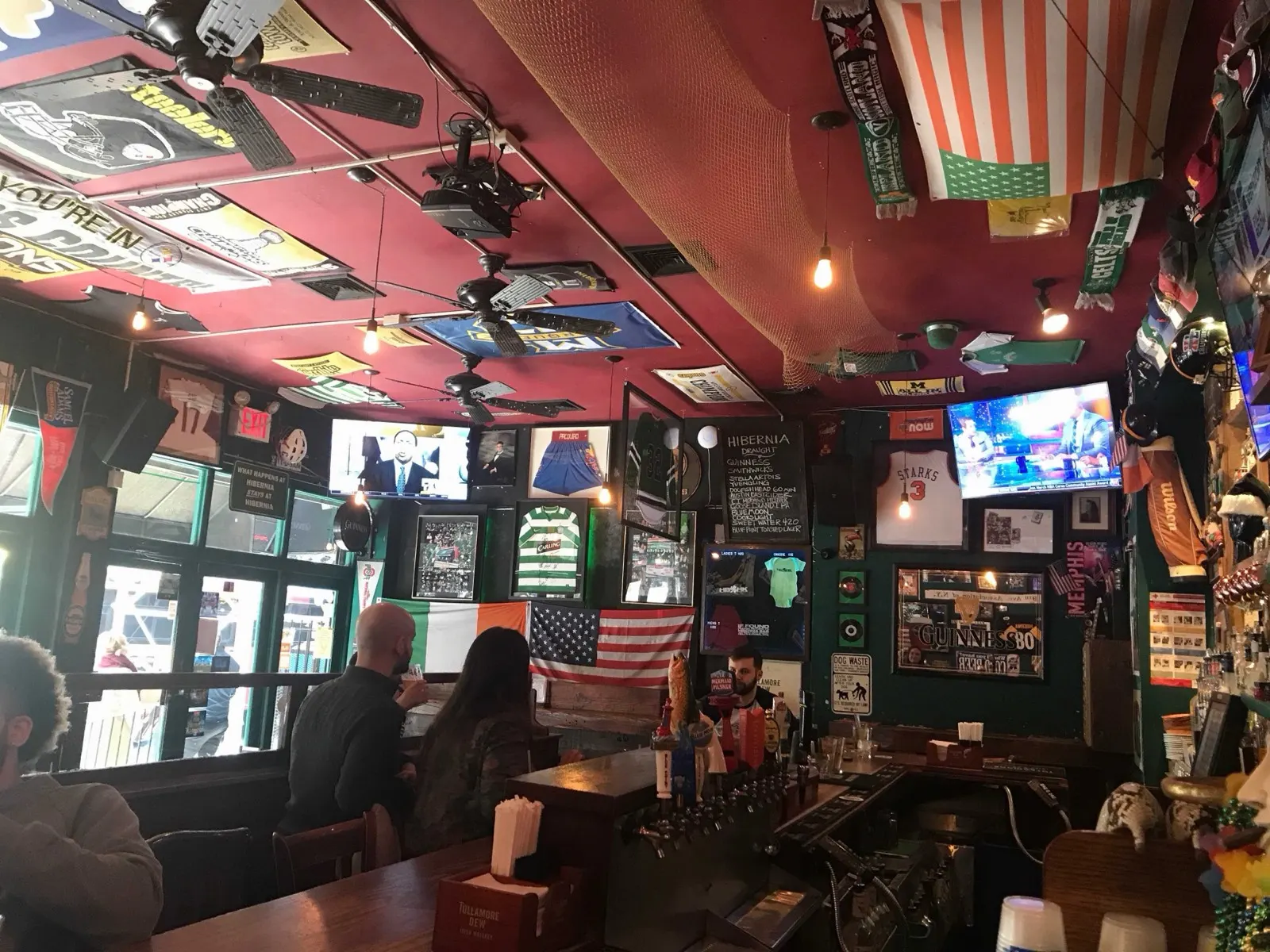
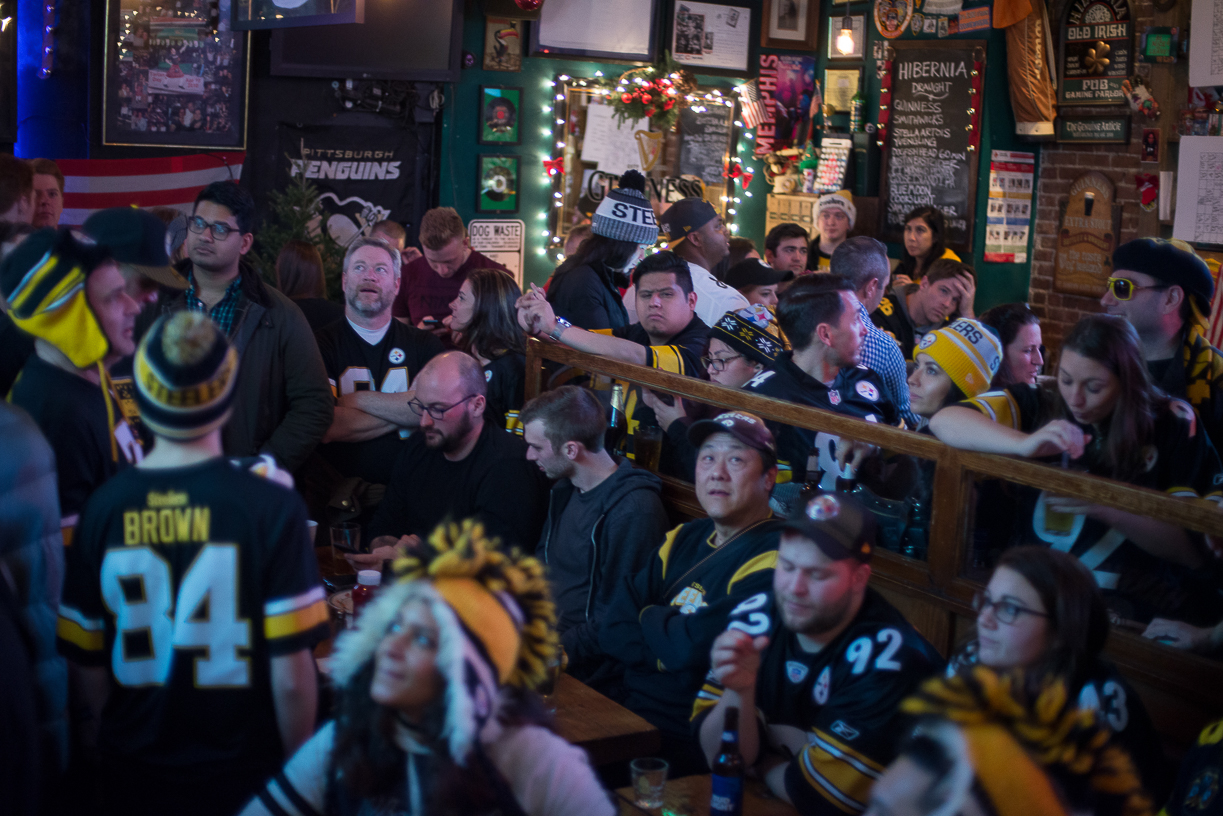
There is a particular kind of New York evening that cannot be planned too carefully. You finish work later than expected, a friend texts from downtown, the weather turns forgiving, and suddenly the city feels open in a way it did not at noon. That is when the right bar plan matters, not the polished, reservation-heavy version of nightlife, but the loose, adaptable version that still leaves room for surprise.
A good spontaneous night out in New York is less about finding the single best place and more about building momentum. The city punishes rigid itineraries. Lines appear out of nowhere, subway service shifts, one bar turns out to be too loud for conversation, another too sleepy for the mood. The people who seem effortless at this know something simple: they choose neighborhoods, not just venues. They keep expectations high enough to be selective, but flexible enough to pivot.
That is the real art of a Bar NYC night. Not just going out, but going out in a way that fits the hour, the crowd, the budget, and the energy everyone actually has.
Start with the kind of night you want, not the bar itself
Most disappointing nights begin with a vague plan. Someone says, “Let’s grab drinks,” which sounds easy until six people are standing on a sidewalk debating whether they want cocktails, beer, dancing, natural wine, sports on TV, or a place quiet enough to hear the story someone has already started telling.
The fastest way to avoid that stalemate is to decide the mood first. If the goal is catching up, you want places with manageable music and enough elbow room to settle in for two rounds without shouting. If the point is to meet people, movement matters more than seating, and bars with some built-in circulation tend to work better than intimate lounges. If the night might turn into dancing, there is no reason to start in a pristine cocktail den where every drink costs as much as dinner.
This sounds obvious, but it saves time. New York offers every kind of nightlife on any given night, and that abundance creates friction. A spontaneous plan works best when you make one strong early choice. Pick the neighborhood, pick the mood, then let the specifics emerge on the way.
Neighborhoods are your real strategy
If I had to give one practical piece of advice for an unplanned night out, it would be this: choose a few blocks, not a single destination. Some parts of New York let you improvise naturally. Others force you into longer walks, sparse options, or expensive fallback choices.
The East Village remains one of the easiest places to salvage or elevate a last-minute plan. You can begin with a simple beer, realize the group wants better cocktails, and be somewhere completely different ten minutes later. The density works in your favor. It also accommodates mixed budgets better than many neighborhoods. One person can order a classic well drink while another goes for a more serious house cocktail, and neither feels especially out of place.
The Lower East Side is useful when the group wants energy and does not mind some unpredictability. It is one of the better choices when half the fun is not knowing exactly where you will land by midnight. That said, the trade-off is noise. A spontaneous night there can turn lively very quickly, which is ideal for some groups and exhausting for others. It rewards people who want the city to push back a little.
The West Village has charm, but it requires more patience. On a Friday or Saturday, many places that look casual from the outside are operating at near-capacity by the time a spontaneous plan materializes. You go there for atmosphere, beautiful streets, and bars that feel like institutions, but you should expect to wait, hover, or settle for somewhere just okay if you are arriving late without a plan.
Williamsburg offers one of the smoother transitions between low-key and high-energy. It is especially useful when a night begins ambiguously. You can start at a relaxed wine bar or neighborhood tavern, then move toward busier spots if the group catches a second wind. The downside is distance, not for Brooklyn locals, but for mixed borough groups trying to get everyone home at the end of the night.
Midtown is often dismissed in nightlife conversations, sometimes unfairly. It may not provide the romance of downtown wandering, but for after-work spontaneity it can be effective. If people are already there, the best move is often to lean into convenience rather than force everyone onto trains chasing an idealized downtown experience. A competent Midtown bar five minutes away can beat a supposedly better downtown bar reached forty minutes later when everyone is already hungry and tired.
Timing changes everything
A place that feels easy at 6:15 can be impossible at 8:30. New Yorkers who seem lucky with bar choices are often just reading the clock correctly.
Early evening is your window for better seats, lower pressure, and bars that still feel available. This is when strong cocktail bars are most approachable. Bartenders have a little more time, the room has not yet turned into a shoulder-to-shoulder obstacle course, and the first round can set the tone instead of becoming an endurance test. If you are meeting right after work, arriving even thirty minutes earlier than the group instinctively wants can improve the entire night.
By peak hours, especially Thursday through Saturday, priorities should shift. This is not always the moment to insist on the city’s hottest room. You are better off finding places with good turnover, standing room that Bar NYC feels intentional rather than cramped, or nearby alternatives if the first stop disappoints. Spontaneous nights die when too much time gets spent waiting outside a place nobody will remember fondly.
Late-night New York has its own logic. After 11:00 p.m., the question is less whether a bar is good in the abstract and more whether it fits what people can still enjoy at that hour. A room that felt polished and alluring at 9:00 might feel fussy by midnight. Conversely, a noisier spot with forgiving service and no pretense can feel exactly right once the night has loosened.
The best spontaneous nights usually involve one smart first stop
People often underestimate the importance of the first bar. It does not need to be the best bar of the night, but it needs to be easy enough to enter and good enough to keep everyone from immediately second-guessing the plan.
The first stop should buy you time. That can mean quick service, comfortable standing space, some food nearby, or enough atmosphere that nobody starts opening maps the second they arrive. I have seen plenty of nights go well after beginning in a merely solid place, because that solid place gave the group a chance to regroup, order something, and decide what came next without stress.
The opposite is also true. Start somewhere too ambitious and you risk burning patience before the night begins. Start somewhere too generic and the mood may never lift. The sweet spot is a bar with enough personality to feel like New York, but enough ease to feel available.
This is where practical judgment matters more than trend awareness. The “right” first stop is often not the room everyone saved on social media. It is the one with reliable cocktails, professional bartenders, and an atmosphere that can absorb a spontaneous crowd without making them feel in the way.
What to do when nobody agrees
Group indecision ruins more nights than bad bars. Usually the issue is not disagreement about one place. It is disagreement about how the night should feel. Someone wants a sit-down drink. Someone else wants to flirt. Someone wants food immediately. Someone is treating the evening like a pregame for somewhere else.
When that happens, split the problem into phases. Start in a place that handles the broadest range of needs, then let the group narrow naturally. A bar with decent drinks and access to food nearby can satisfy the people who need grounding first. After one round and a snack, the social faction usually has a clearer case for moving on, and the lower-energy people can decide whether they still want in.
This approach works because it respects how people actually change during a night out. The friend who insists they only want one drink sometimes becomes the one suggesting a second stop. The person who wanted somewhere loud may discover they mostly wanted to be around people, not necessarily inside a wall of sound. Good Bar NYC planning leaves room for those shifts.
Drinks matter, but not in the way people think
Spontaneous nights are not usually the best context for hyper-specialized drinking agendas. If the whole mission is trying a celebrated cocktail program, that is a different kind of outing. For an impromptu evening, what matters more is whether the menu is navigable, the pricing feels fair for the setting, and the staff can keep things moving.
A shorter cocktail list often helps. So does a bar that executes classics well. People make quicker decisions when they recognize what is available, and quick decisions are underrated. Momentum is part of atmosphere. If it takes fifteen minutes for everyone to decode an elaborate menu and another twenty for drinks to arrive, the room has to work much harder to justify itself.
Beer bars and neighborhood taverns have an edge here. They are forgiving. You can settle in immediately, there is less ceremony, and one person’s simple order does not feel out of sync with another person’s more thoughtful one. Wine bars can also work beautifully for spontaneous nights, especially if the crowd wants to talk, but only if the room is not so tight or precious that standing with a group becomes awkward.
There is also the matter of price. New York drink tabs rise fast, and nobody wants to become the person quietly counting every round while everyone else acts carefree. A spontaneous night lasts longer when the financial temperature feels manageable. You do not need the cheapest bar in the city. You need a place where a second round does not feel like a small personal crisis.
Food is often the difference between a great night and a short one
People love to pretend food is optional. It is not. Not in a city where plans often begin after long workdays, skipped lunches, or rushed commutes. The strongest spontaneous nights either start with a little food or stay within easy reach of it.
This does not mean you need a full dinner reservation. In fact, a heavy sit-down meal can flatten the energy if the evening is meant to stay loose. What you want is access. Fries, dumplings, tacos, a plate to share, slices around the corner, something fast and warm that changes the chemistry of the group for the better.
The neighborhoods that support spontaneous bar hopping usually support spontaneous eating too. That pairing matters. Once hunger enters the conversation, idealism disappears. The group becomes less interested in curation and much more interested in immediate relief. Bars that understand this and either serve useful food themselves or sit beside reliable late-night spots are doing half the work of hospitality.
How to read a bar in thirty seconds
If you are walking in without research, the fastest useful skill is reading a room quickly. New York bars reveal a lot at the door.
Look first at posture. Are people leaning in and staying, or finishing quickly and drifting out? That tells you whether the place supports actual hanging out. Then notice sound, not just volume but texture. A loud bar can still be good if the noise is lively rather than abrasive. Harsh acoustics create fatigue fast, especially when your group plans to stay more than one round.
Service speed is visible almost immediately. You can tell whether bartenders are making progress or fighting chaos. You can also tell whether the crowd seems settled or restless. Restless crowds produce that particular feeling of collective disappointment, everyone wanting the place to be better than it is. The best spontaneous nights rarely happen in rooms with that energy.
Lighting matters more than people admit. Too bright and the room feels transactional. Too dim and an unplanned gathering can feel disorganized because nobody can locate friends, menus, or the edge of the bar. There is a sweet spot, and experienced nightlife people know it instinctively when they step inside.
A practical way to keep the night moving
When the evening is forming on the fly, a little structure helps. Not a rigid itinerary, just enough of a backbone to prevent drift.
- Pick one neighborhood with at least three plausible bar options within walking distance.
- Begin somewhere easy, ideally a place that can absorb the group without a wait.
- Reassess after the first round, based on energy, noise, and whether anyone needs food.
- Move only if there is a clear reason, better music, better conversation, better crowd, or a stronger chance the night opens up.
- End where the group naturally thins, not where the original plan says the night should end.
That last point is worth emphasizing. Good nights out often dissolve rather than conclude. Two people peel off for food. Three head to one more stop. Someone calls it early and still feels satisfied. A spontaneous New York night does not need a perfect final act to be successful.
Different nights call for different bar personalities
Not every spontaneous outing should chase the same atmosphere. There is a huge difference between a Wednesday reset and a Saturday release.
A weeknight bar should usually make life easier. You are there to decompress, reconnect, maybe recover a little personality after a long day of looking at screens and answering messages. For that, competence beats spectacle. You want a place with enough soul to feel distinct, but not so much scene that getting a drink becomes a project.
Weekend nights can justify more ambition, but only if everyone is prepared for the trade-offs. Higher energy usually means less space, longer waits, louder rooms, and bigger tabs. That is not necessarily a problem. It is only a problem when people pretend they want one thing while actually wanting another. The friend who says they want a “fun downtown spot” may really want to stand in a fashionable crowd. Another may use the same phrase and mean a warm bar with a jukebox and no attitude. Those are different assignments.
Date nights are their own category. If the plan is spontaneous but romantic, avoid bars that make conversation feel like work. Intimacy is not just candlelight. It is being able to hear a sentence the first time. It is not waiting twenty minutes between moments because the room is too packed to move. Sometimes the smartest romantic choice in New York is not the most beautiful bar, but the one where the evening can actually unfold.
Budget, dress, and the quiet details people overlook
Spontaneity improves when a few practical variables are handled without drama. Budget is one. Shoes are another. So is weather.
New Yorkers know that a twenty-minute walk between bars feels charming in October and punishing in February. Rain can turn an exploratory night into a logistical mess if every transition requires a coat check, an umbrella negotiation, and a crowded subway platform. In bad weather, compact plans win. Choose a neighborhood where staying put still feels satisfying.
Dress codes are usually looser than visitors fear, but context still matters. A neighborhood tavern and a polished cocktail room do not expect the same thing, even when neither has formal rules. The easiest spontaneous nights happen when nobody in the group feels underdressed, overdressed, or self-conscious. New York is forgiving, but comfort still shapes confidence.
Then there is the tab. Groups that split easily stay relaxed. Groups that get tangled in four cards, itemized disputes, and half-remembered rounds lose momentum at the worst moment. This is not glamorous advice, but it is real. Smooth practical decisions create room for the kind of night people later describe as effortless.
Why the city still rewards unplanned evenings
For all the talk about reservations, velvet ropes, and overhyped openings, New York remains one of the best places in the world for nights that begin casually and turn memorable through a mix of judgment and luck. That is partly because the city still offers density, range, and enough late-night life to support changing your mind. It is also because bars here, at their best, are not just venues. They are social instruments. They shape pace, soften edges, and give people a way to arrive as they are.
The best spontaneous nights are rarely about scoring the hardest table or checking off a famous address. More often, they come from small smart choices made in sequence. Meeting in the right neighborhood. Starting early enough to settle in. Recognizing when to stay, when to move, and when the bar in front of you is already good enough. A great Bar NYC night is not always the one with the strongest story. Sometimes it is the one where nobody had to force anything, and the city simply met you halfway.
That is the version worth aiming for. Not perfect, not overdesigned, just sharp enough to let chance do its work.
Hibernia Bar
401 W 50th St
New York, NY 10019
(212) 969-9703
FAQ About Bar NYC
What is there to do in Hell's Kitchen, NYC?
Explore the restaurants and bars along Ninth Avenue, catch a Broadway show nearby, or visit the Intrepid Museum on the Hudson River. Hibernia Bar is at West 50th Street and Ninth Avenue, a convenient stop before or after a show.
What are some bars in New York City that serve good food?
Hibernia Bar in Hell's Kitchen serves wings, burgers, fish and chips, and shepherd's pie. Its kitchen lists a 2 a.m. closing time, which makes it an option for dinner after a show or a game.
How far is Hell's Kitchen from Times Square?
Hell's Kitchen is just west of Times Square. From Broadway and West 45th Street, Hibernia Bar is roughly 0.6 miles away, or about a 12-minute walk depending on crowds.
❧