November 11, 2026
The Best Time to Visit a Bar NYC for the Full Experience
By @felixpyoi402
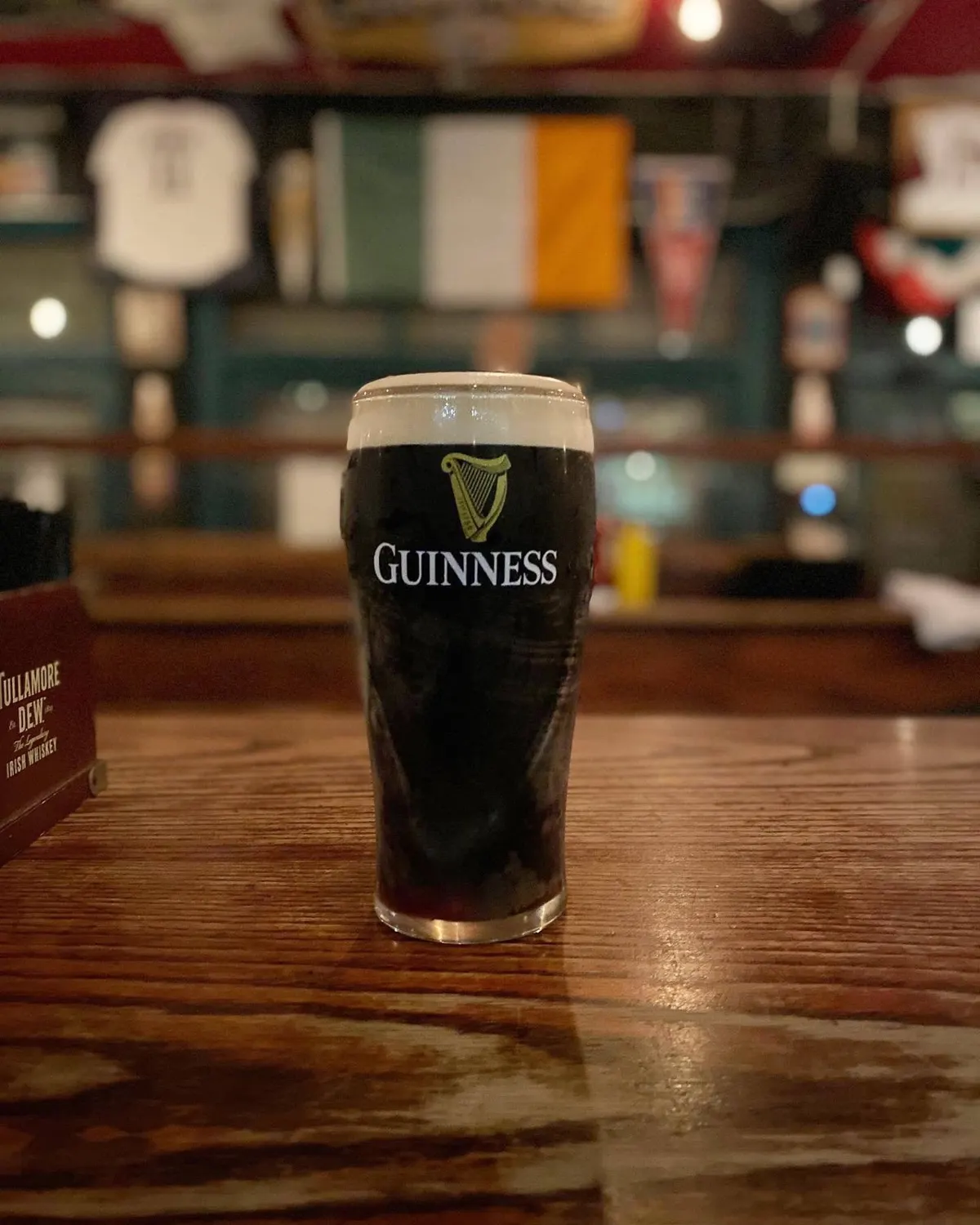
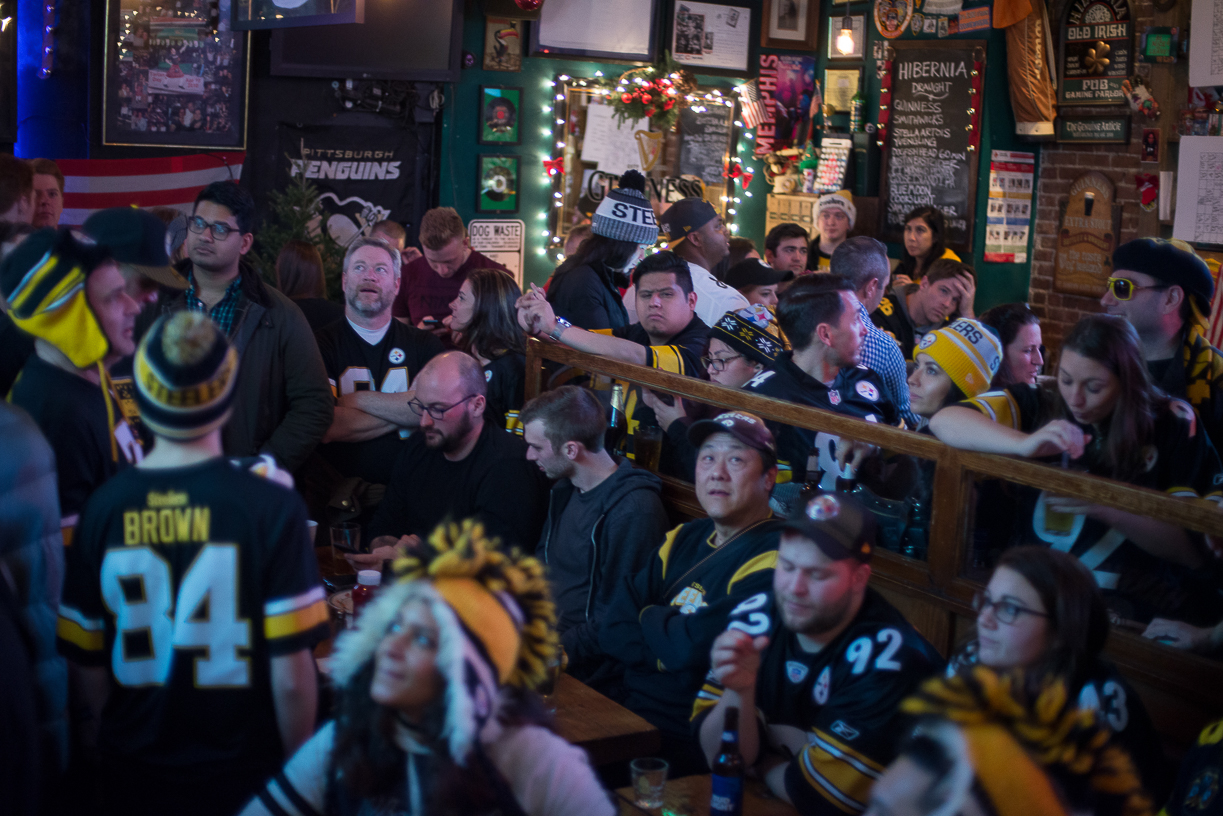
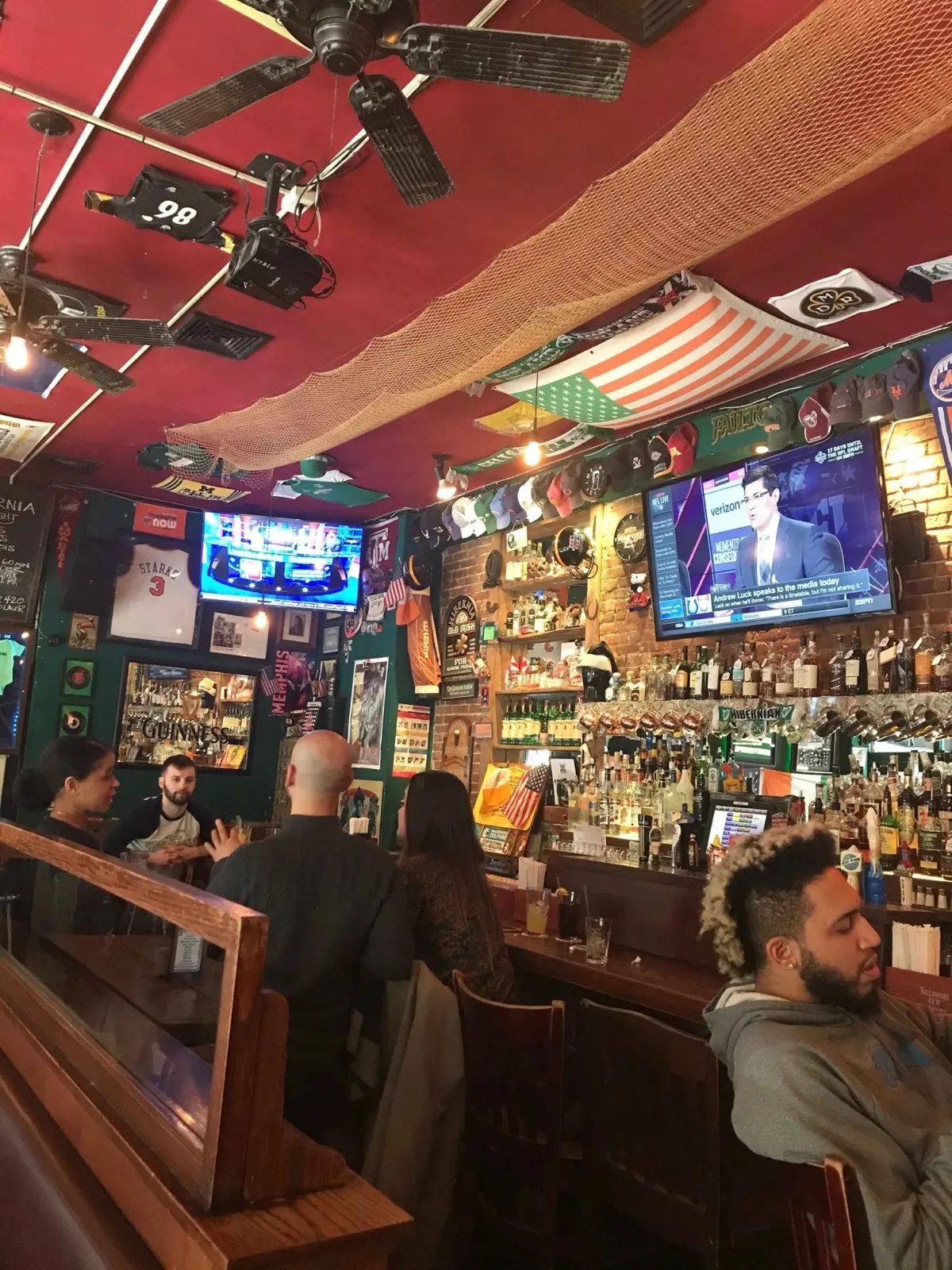
New York rewards timing more than most cities. That is true in restaurants, on the subway, in theaters, and especially in bars. The same room can feel like three different places depending on whether you walk in at 5:15 p.m., 8:40 p.m., or 12:30 a.m. Light changes. Music rises. Bartenders shift from conversational to surgical. The crowd goes from neighborhood regulars to date-night pairs, then to people chasing a last round before the train ride home.
If you want the full Bar NYC experience, there is no single universal answer. The best time depends on what kind of night you want, what neighborhood you are in, and how much friction you are willing to tolerate. Some people want a polished first cocktail with enough quiet to hear the bartender explain the amaro list. Others want the room at full volume, when every stool is taken and the crowd spills onto the sidewalk. Both are real New York experiences. They are just different.
After enough evenings spent moving through Manhattan, Brooklyn, and Queens, one pattern becomes obvious. The city’s bars run on distinct rhythms, and understanding those rhythms matters more than finding a so-called best bar. Great places can feel underwhelming at the wrong hour. Modest places can feel unforgettable when the timing is right.
What “the full experience” really means
A bar is not only a menu and a room. It is service pace, crowd chemistry, sound level, lighting, seat availability, temperature, and the simple question of whether you can order a second drink without elbowing through three strangers. In New York, these variables swing hard over the course of one night.
The full experience usually means catching a bar at its intended speed. A serious cocktail bar often shines in the first half of the evening, when precision still leads and the bartender has a beat to spare for a recommendation. A dive bar tends to come alive later, when the room loosens up and nobody cares that the napkins ran out an hour ago. A rooftop can be magical at sunset, then feel transactional by 10 p.m. A neighborhood wine bar may peak on a weeknight, when locals claim the room and set its tone.
That is why generic advice such as “go late for the energy” or “go early to avoid crowds” misses the point. Energy is not always the goal, and empty is not always better. The real skill is matching the hour to the venue.
The sweet spots, if you want a practical answer
If you want the shortest version from someone who has made plenty of good and bad timing decisions in this city, it looks like this:
- For conversation, craft cocktails, and attention from the staff, aim for 5:00 to 7:00 p.m.
- For the liveliest balance of atmosphere and control, especially on Thursdays and Fridays, arrive around 7:30 to 9:00 p.m.
- For pure social momentum, louder rooms, and the classic packed-night feeling, 10:00 p.m. To midnight is the usual peak.
- For industry energy, looser service, and a less polished but often more memorable scene, after midnight can be excellent in the right spots.
- For the easiest, most pleasant version of a popular bar, choose Tuesday or Wednesday over Friday or Saturday.
That framework is useful, but the details matter.
Early evening has advantages people underestimate
There is a reason experienced New Yorkers often meet at bars before dinner or just after work. Between 5:00 and 7:00 p.m., many places still have room to breathe. You can choose your seat instead of accepting whatever corner opens up. The bartender can read your preferences and adjust. You notice the room itself, the shelves, the glassware, the music selection, the tiny signs of whether a place has pride or just momentum.
At a quality cocktail bar, this hour can be the best expression of the venue. Ice is fresh. Garnishes are stocked. The team is ready rather than depleted. If you ask for something stirred, spirit-forward, and not too sweet, you are more likely to get a thoughtful answer than a rushed default. This is especially true in places where the menu includes house infusions, clarified drinks, or a deep backbar. Those details tend to disappear into the blur once the room is three deep.
This is also the best time for people who actually enjoy bar culture, not just drinking. You overhear enough to feel the room, but not so much that it turns into noise. You can watch the cadence of service. You can tell which regulars the bartenders greet by name. In a city with so much performance built into nightlife, those quieter moments often reveal the genuine character of a place.
The trade-off is obvious. If your idea of a bar night includes buzz, flirtation, crowd spillover, and the electric feeling that anything could happen, 6:00 p.m. Will not scratch that itch. Early evening shows you the bar, not necessarily the nightlife around it.
The prime-time window is where most people get the best of both worlds
For many bars in NYC, the sweet spot lands somewhere around 7:30 to 9:00 p.m. That is when the room has enough life to Bar NYC feel unmistakably New York, but not so much density that every order becomes a negotiation. The host stand may quote a wait, but the wait is still realistic. The soundtrack is present, not punitive. Dates are in full swing, birthdays are arriving, and the first round has turned into the second.
This is the hour I recommend most often to out-of-town visitors who want a Bar NYC experience that feels authentic without becoming exhausting. You get the city’s social texture without yet paying the full tax of crowding. In neighborhoods like the West Village, East Village, Lower East Side, Williamsburg, and parts of Long Island City, the streets themselves add to the mood during this window. People are moving from dinner to drinks, from one bar to another, from plans to improvisation.
It is also the hour when a well-run bar proves itself. Anyone can seem charming at 5:30 when half Bar NYC the stools are empty. The better places keep their composure when the room fills. Orders still land correctly. Water appears without asking. The team acknowledges you even when they cannot help you immediately. That competence is part of the full experience too, especially in New York, where inefficient service gets exposed fast.
Still, prime time brings compromises. Popular bars may have ninety-minute reservation blocks, standing-room-only sections, or a line that turns your spontaneous night into a logistics problem. If you dislike waiting, you either need to reserve, arrive early, or choose a less obvious venue in the same neighborhood.
Late night changes the meaning of the bar
After 10:00 p.m., many New York bars stop feeling like extensions of dinner and start feeling like destinations in their own right. This is when the room gets louder, more crowded, and less careful. In the right place, that is exactly the appeal.
A packed late-night bar in NYC has a kind of social compression that can be thrilling. You are shoulder to shoulder with finance analysts, line cooks, actors, tourists, nonprofit staffers, DJs, and a couple having a third-date argument by the back wall. The playlist leans harder. The bartender switches from conversational host to traffic controller. Drinks that took ninety seconds earlier now need to move in thirty. A straightforward martini suddenly looks smarter than the eight-ingredient special.
This is the full experience if what you want is momentum. New York can feel uniquely alive late, especially on Thursdays through Saturdays, because so many people treat the city itself as part of the night. One bar is rarely the whole plan. The sidewalk, the bodega stop, the walk to another neighborhood, the argument over whether to stay for one more round, all of that becomes part of the experience.
Yet this is also when bars can disappoint. Crowding reveals flaws fast. Acoustics become punishing. Air circulation matters more than menu design. Some places that look beautiful in photos turn unpleasant when full, because they were never built to handle volume. If your priority is the actual quality of the drink, not just the scene, late night often works against you unless the bar specializes in speed and simplicity.
After midnight belongs to a different city
There is a separate New York after midnight, and it is not for everyone. Some bars become sloppier, louder, and less appealing as the night wears on. Others settle into a strange, warm second life. Industry people show up after their shifts. The tourists thin out. The room stops trying so hard. What remains can be rough around the edges, but sometimes more honest.
If you have ever sat at a nearly full bar at 12:45 a.m. While a bartender pours one last neat whiskey for a chef still in checkered pants, you know the feeling. The conversations are less polished. The recommendations get more direct. You might hear about a place around the corner that never makes the guides but has been serving the same local crowd for fifteen years.
That said, after midnight is high variance. Some neighborhoods still have strong energy. Others flatten out. Some bars manage fatigue well. Others clearly want the night to end. If you are looking for your first impression of NYC nightlife, I would not start here. If you already like the city and want to see its less curated side, this hour can be gold.
Weeknights often beat weekends
Visitors naturally assume Friday and Saturday must be the best time to visit a bar in NYC. They are certainly the busiest, and for some rooms that matters. But busy is not always better. In practice, Tuesday through Thursday often delivers a stronger overall experience.
On a weeknight, staff are usually less overwhelmed, reservations are easier, and the crowd often skews more local. People came because they like the place, not only because it was available after another plan fell through. The bar feels like itself. That matters. A wine bar in Carroll Gardens on a Wednesday can feel richer and more distinctive than a trend-heavy Manhattan room on a Saturday, even if the latter is harder to get into.
Fridays are transitional. Happy hour can be excellent, but by later evening many bars fill with people who are ready to push the night somewhere else. Saturdays can be fun, though they usually require the most patience and the least romantic expectations. If your goal is to sample a great Bar NYC atmosphere without spending half the night waiting, Wednesday may be the strongest play in the city.
Sundays deserve a special note. Sunday evening in New York has its own charm, especially in neighborhood bars, hotel bars, and low-key cocktail spots. The energy is softer. People are winding down, not ramping up. You can often get a very good seat, and the room still has enough life to avoid feeling empty. For solo visitors or couples who value mood over volume, Sunday is one of the city’s most underrated nights.
Seasons matter more than people expect
Timing is not just hourly or weekly. It is seasonal. The best time to visit a bar in NYC shifts with the weather because the city itself changes.
Fall is probably the strongest overall season for bars. People are back from summer travel. Temperatures make walking pleasant. Outdoor and indoor spaces both work. The city feels restored, and so do its social habits. A corner bar in October, windows cracked, jackets back on, first drink after a sharp evening walk, that is hard to beat.
Winter creates a different kind of ideal. If you like dim rooms, richer drinks, and a stronger sense of enclosure, cold months can be perfect. A good bar in January feels purposeful. People came in from the weather and intend to stay. The downside is practical: coats eat space, snow or freezing rain disrupts plans, and some rooftop or courtyard charm disappears completely.
Spring is inconsistent but exciting. The first truly mild evenings can make every bar with a sidewalk setup or retractable front feel irresistible. Summer is more split. Rooftops, patios, frozen drinks, and breezy beer gardens can be excellent. Tight indoor bars, especially older ones with weak air conditioning, can feel punishing. Humidity changes your tolerance for almost everything, including crowds.
Different bar types peak at different hours
Not all bars obey the same schedule. This is where a lot of advice goes wrong.
Cocktail bars usually reward earlier arrival. Precision and hospitality are part of the product, and both decline under pressure. If a place is known for technique, custom orders, or a long spirits list, go before the crush.
Wine bars tend to peak in the early to middle evening. They are strongest when conversation still matters and the food menu is fully active. Once the night skews louder, much of the appeal is gone.
Dive bars often improve later. Their charm comes from looseness, not refinement. A dive at 5:00 p.m. Can be dead in the wrong way. The same room at 11:30 p.m. Might be exactly right.
Rooftops are all about light and weather. Sunset is the obvious answer, but it is obvious for a reason. The best rooftop hour is often thirty minutes before sundown through the first stretch after dark, when the skyline is visible and the room still feels aspirational rather than overrun.
Hotel bars vary wildly. Some are best early, when they feel elegant and calm. Others hit their stride late, when a mix of travelers and locals creates a more cinematic kind of crowd.
How to choose your timing based on what you actually want
Most disappointment comes from mismatched expectations. People choose a famous bar, show up at the busiest possible hour, then get frustrated that it is busy. Or they go too early to a place built for late-night energy and assume it lacks atmosphere. Better to decide first what kind of experience you are after.
Here are the questions worth asking yourself before you pick the hour:
- Do you want conversation, spectacle, or momentum?
- Is the drink itself the main event, or is the bar a backdrop to the night?
- Are you comfortable waiting, standing, and raising your voice?
- Do you care more about who is there, or how well the place functions?
- Are you trying to see a famous room, or have a genuinely good night?
Those answers point you toward the right time more reliably than rankings or social media clips.
Neighborhood rhythm changes the answer
A bar in Midtown behaves differently from one in Greenpoint. Financial District spots can surge right after work, then thin dramatically by late evening unless they draw destination traffic. The West Village often stays animated from early evening onward, though the crush can become a test of patience. The Lower East Side and East Village build later and can sustain energy deeper into the night. Williamsburg has plenty of early dinner-and-drinks traffic, then a more prolonged nightlife arc depending on the block and the crowd.
This matters because “the best time” can be off by ninety minutes from one neighborhood to another. A packed 6:30 p.m. Room near major office towers tells you less about nightlife than about commuting patterns. A 9:30 p.m. Bar in a residential Brooklyn neighborhood might just be reaching the right temperature. If you are bar-hopping, the smartest plan is often to start in one neighborhood type and end in another. Begin with a composed drink in a calmer setting, then move toward a later-night district when the city is ready for it.
The reservation question
Reservations have changed bar-going in New York, especially in cocktail bars and hybrid restaurant-bar spaces. Purists may complain, but they solve real problems. If there is a place you genuinely want to experience, and it accepts reservations, taking one often makes sense. It gives you the chance to hit the bar at its best hour instead of gambling on a long wait.
Still, there is a trade-off. Reservations can turn a flexible bar night into a timed appointment. Some of the best evenings in New York happen because you walk into a place that was never Plan A. If your schedule allows it, the best compromise is one anchor reservation early, then leave the rest of the night open.
A working rule for visitors and locals alike
If someone asked me for one dependable strategy to get the full Bar NYC experience without overthinking it, I would say this: pick a good neighborhood, arrive at your first bar around 7:00 or 7:30 p.m., and leave yourself room to stay or move depending on the energy. That timing catches enough atmosphere to feel the city, while preserving options. You can linger if the place is special. You can pivot if it is too loud, too crowded, or simply not your scene.
The beauty of New York bar culture is that it does not depend on one perfect venue or one perfect hour. It depends on rhythm. Catch the room when it is doing what it does best, and even a modest bar can feel unforgettable. Miss that rhythm, and even the most celebrated room can feel like a line, a bill, and a loud playlist.
The best time to visit a bar in NYC, then, is not a slogan. It is a judgment call. Early evening gives you clarity and craft. Prime time gives you balance. Late night gives you energy and risk. Weeknights often give you the city at its most usable. Fall gives you the strongest overall conditions. The full experience comes from knowing which version of New York you want, then showing up at the hour that lets the bar become itself.
Hibernia Bar
401 W 50th St
New York, NY 10019
(212) 969-9703
FAQ About Bar NYC
What is there to do in Hell's Kitchen, NYC?
Explore the restaurants and bars along Ninth Avenue, catch a Broadway show nearby, or visit the Intrepid Museum on the Hudson River. Hibernia Bar is at West 50th Street and Ninth Avenue, a convenient stop before or after a show.
What are some bars in New York City that serve good food?
Hibernia Bar in Hell's Kitchen serves wings, burgers, fish and chips, and shepherd's pie. Its kitchen lists a 2 a.m. closing time, which makes it an option for dinner after a show or a game.
How far is Hell's Kitchen from Times Square?
Hell's Kitchen is just west of Times Square. From Broadway and West 45th Street, Hibernia Bar is roughly 0.6 miles away, or about a 12-minute walk depending on crowds.
❧